Table of Contents
Skin changes over time are rarely limited to the surface. Fine lines, uneven texture, and loss of firmness often trace back to what’s happening deeper within the skin. Treatments that focus only on the outer layer may offer short-term improvement, but they don’t address the underlying structure. This is where microneedling takes a different approach by working within the skin’s natural repair system.
How Microneedling Supports Skin Renewal
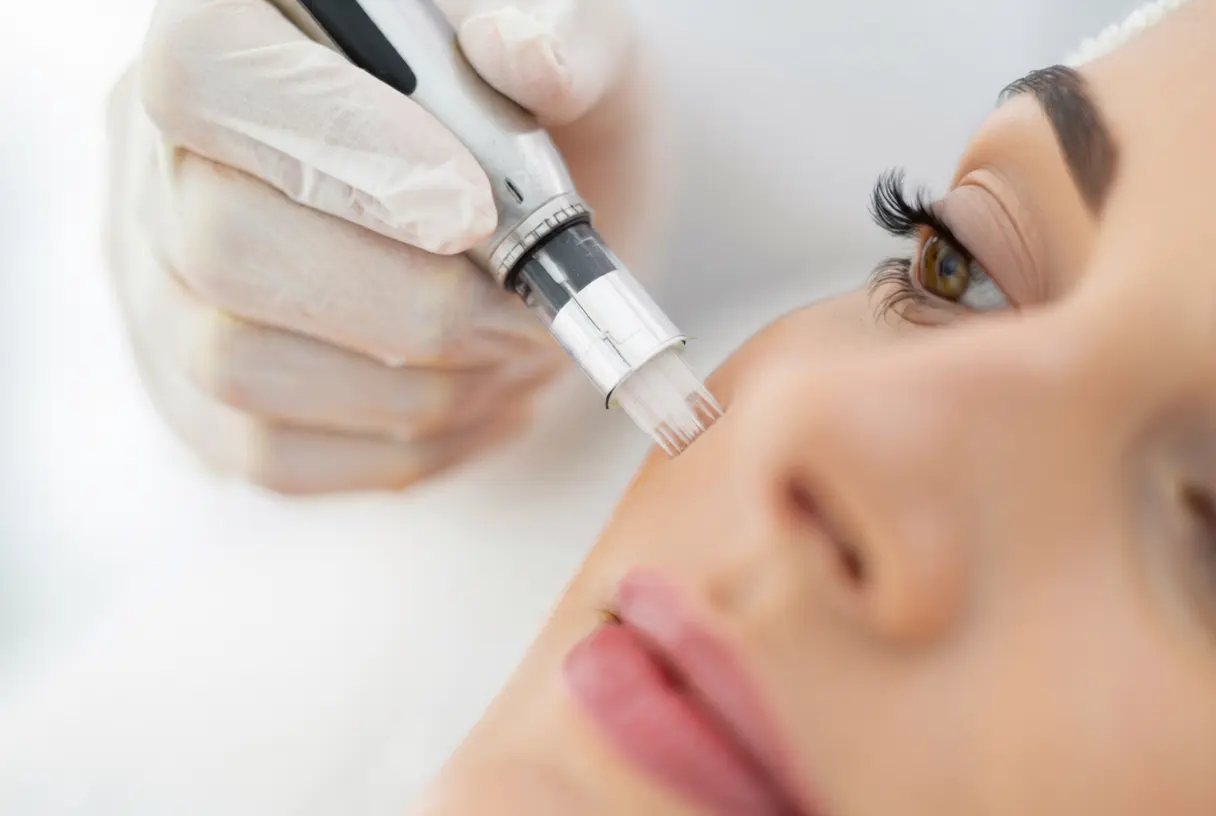
A microneedling treatment uses a specialized device fitted with fine, sterile needles that create controlled micro-injuries in the skin. These tiny channels are precise and intentional, designed to activate the body’s healing response without causing lasting damage.
As the skin responds, it releases growth factors and begins producing new collagen and elastin. This process, known as collagen induction therapy, helps rebuild the skin’s internal support system. Over time, this leads to smoother texture, improved tone, and a more balanced appearance.
Rather than forcing change through aggressive methods, this approach relies on the skin’s ability to repair itself. This distinction is what makes it a consistent option for gradual, natural-looking improvement.
Why Collagen Plays a Central Role in Skin Quality
Collagen is responsible for the skin’s strength and structure. Elastin contributes to flexibility and resilience. As production slows with age, the skin becomes thinner, less firm, and more prone to visible lines and uneven texture.
A microneedling treatment targets this decline by encouraging new collagen formation. Instead of covering up imperfections, it helps reinforce the skin from within. With repeated sessions, many people notice that their skin feels firmer and appears more even, particularly in areas where texture was previously inconsistent.
This process takes time. Collagen remodeling happens gradually, which why results tend to build over several weeks rather than appearing immediately after.
What Skin Concerns Can Improve with Microneedling
Because microneedling focuses on structural repair, it can be used for a wide range of concerns. The treatment is often recommended for individuals looking to improve overall skin quality without extensive downtime.
Common areas of improvement include:
- Fine lines and early wrinkles
- Acne scars and mild textural irregularities
- Enlarged pores
- Uneven skin tone
- Dull or fatigued-looking skin
- Mild skin laxity
Each patient’s response depends on their starting point, skin condition, and the consistency with which treatments are performed.
What Happens During a Session
A typical microneedling treatment begins with cleansing the skin and applying a topical numbing cream to improve comfort. Once the skin is prepared, the device is passed across the treatment area in a controlled pattern.
The sensation is often described as light pressure with a subtle vibrating or scratching feeling. Most people tolerate it well, especially with numbing in place.
Following a microneedling session, the skin may appear flushed and feel warm. It may be compared to mild sun exposure. This reaction is part of the normal healing process and usually settles within a couple of days.
How Microneedling Fits Into Skin Resurfacing
Many treatments fall under the category of skin resurfacing, but they work in different ways. Some rely on exfoliation or heat to remove or renew surface layers. Microneedling, on the other hand, focuses on stimulating the deeper layers while leaving the surface largely intact.
This makes the treatment a useful procedure for those who want improvement in texture and tone without extended recovery time. It can also complement other resurfacing methods depending on the treatment plan and skin goals.
The key difference lies in how the results develop. Instead of immediate peeling or shedding, changes unfold gradually as new collagen forms, and the skin reorganizes itself.
Combining Microneedling with Supportive Therapies
In many cases, microneedling is paired with treatments that support the healing process. One example is faceLITE LED Therapy, which uses specific wavelengths of light to calm the skin and encourage recovery.
LED therapy may help reduce post-treatment redness and support overall skin function during the repair phase. When combined thoughtfully, these treatments can enhance results without increasing downtime.
The focus remains on supporting the skin rather than overwhelming it with too many aggressive interventions at once.
What to Expect After Treatment
Following a microneedling treatment, the skin enters an active repair phase. Redness, mild sensitivity, and a slightly tight feeling are common in the first 24 to 48 hours.
As the skin heals, hydration becomes especially important. Gentle skincare products and consistent sun protection help maintain results and protect the newly forming skin.
Visible improvements in texture may appear within a few weeks, while deeper changes related to collagen development continue over time. A series of sessions is often recommended to build on these results.
Is Microneedling Suitable for All Skin Types
One of the advantages of microneedling is its adaptability. It can be administered on a variety of skin types and tones, especially when performed by trained professionals who understand how to adjust depth and technique.
Still, there are situations where treatment may be delayed or modified. Active acne, infections, or certain medical conditions may require alternative approaches until the skin is stable.
A consultation helps determine whether a microneedling treatment is appropriate and how it can be safely integrated into a broader skincare plan.
Grow Wellness Microneedling in Knoxville, TN
At Grow Wellness, we not only provide holistic IV therapies, but we also offer microneedling in Knoxville, TN. This technique is approached as a method of restoring the skin’s natural ability to repair and maintain itself. As the body ages, this regenerative capacity slows, which becomes visible through fine lines, wrinkles, and changes in texture.
The treatment used is based on collagen induction therapy, where fine, sterile needles create microscopic channels in the dermis. These channels trigger the release of growth factors, encouraging the production of new collagen and elastin within the skin.
Grow Wellness uses the Rejuvapen NXT®, an FDA-cleared device designed with TruVertical Technology. This allows for consistent needle penetration while minimizing unnecessary trauma to the skin. The goal is to stimulate repair in a controlled and predictable way.
Schedule your microneedling session today!
Common Questions About Microneedling
How many sessions are typically needed
Most people benefit from a series of three to six sessions spaced a few weeks apart. The exact number depends on the condition being treated and how the skin responds.
Does the treatment hurt
With numbing cream applied beforehand, discomfort is usually minimal. Sensations vary but are often described as manageable.
Is there downtime involved
Downtime is generally mild. Redness and sensitivity are expected for a short period, but most individuals return to their normal routine within a day or two.